
Description
From Surface to System: Teach and Learn the Liver with Confidence and Clarity
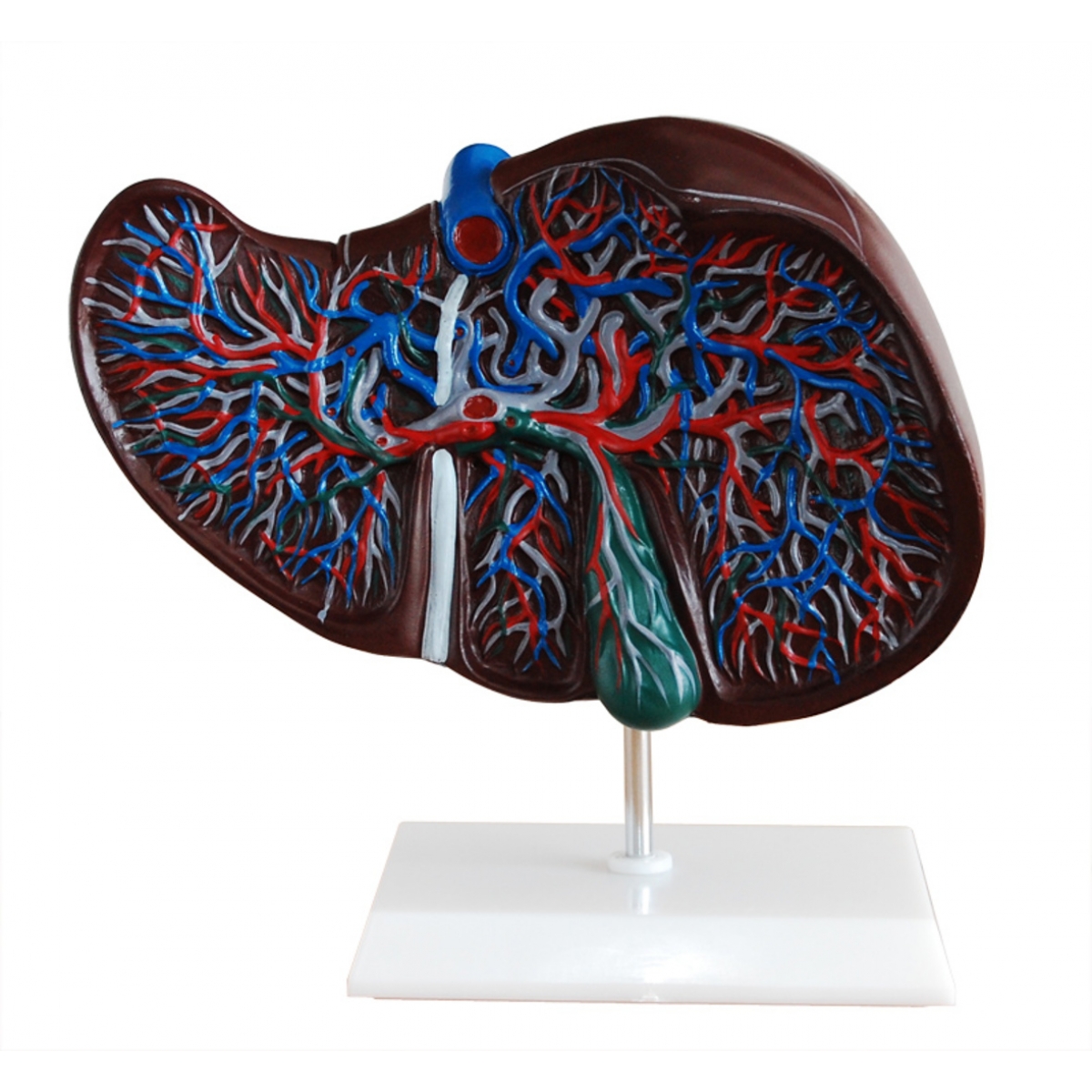
For students of medicine and health science, mastering liver anatomy isn’t just a chapter in a textbook—it’s a foundational skill for diagnosing, treating, and understanding a wide range of physiological conditions. The MYASKRO Human Liver Model gives learners the anatomical roadmap they need to explore one of the body’s most dynamic and critical organs in full 3D detail.
This model is more than just a display—it’s a bridge between theoretical knowledge and practical application. Whether you’re demonstrating hepatic circulation in a physiology lecture or preparing future clinicians to recognize anatomical landmarks during a surgical procedure, this tool offers visual precision that accelerates comprehension and retention. It allows learners to see and physically trace the complex interweaving of arteries, veins, and bile ducts—reinforcing systems-level thinking and diagnostic logic.
Educators use this model to support core learning goals across multiple domains:
Anatomy & Physiology: Teach the form and function of the hepatic system and how it integrates with digestion, detoxification, and circulation.
Clinical Sciences: Demonstrate how liver structure relates to conditions like cirrhosis, portal hypertension, or hepatic tumors.
Medical Imaging: Help students correlate physical structures with sonography, CT, and MRI images.
Pathology: Use the model to show how obstructions or lesions might disrupt hepatic blood flow or bile drainage.

Reviews
There are no reviews yet.